The Impact of Social Media on the Minds and Bodies of Children and Teenagers
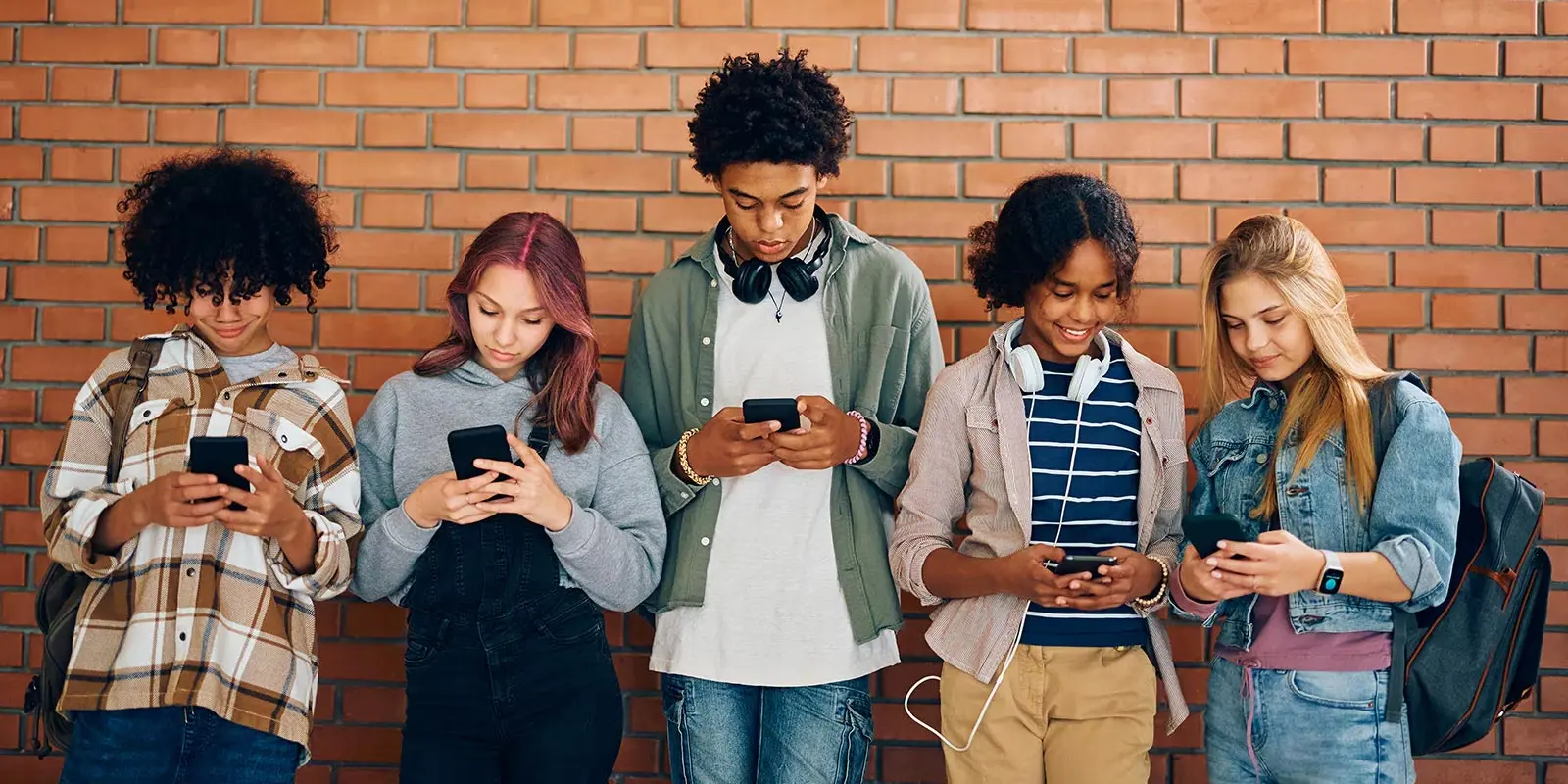
In today’s digital world, children and teenagers are growing up immersed in social media. Platforms like Instagram, TikTok, Snapchat, and YouTube have become integral to their social lives and entertainment. However, the effects of social media on youth mental and physical health are increasingly concerning. Recent psychological and medical research gives us a clearer picture of both the risks and the ways families can respond.
The Mental Health Impact: What the Research Says
Anxiety, Depression, and Self-Esteem
Multiple studies have linked excessive social media use to increased rates of anxiety, depression, and low self-esteem among adolescents. According to a 2024 report from the American Psychological Association, teenagers who spend more than three hours per day on social media are twice as likely to experience symptoms of depression and anxiety compared to those who use these platforms less frequently.
Body image issues are also prevalent, with platforms focused on appearance intensifying pressures. One study published in JAMA Pediatrics found a significant association between social media use and body dissatisfaction in both boys and girls (source).
Sleep and Cognitive Performance
Screen time before bed, especially on social media, disrupts healthy sleep patterns. Blue light from devices affects melatonin production, making it hard for young people to fall asleep. According to the CDC, insufficient sleep due to social media use contributes to poorer academic performance, irritability, and even increased risk of obesity.
The Physical Effects: From Sedentary Lifestyles to Eyestrain
Heavy use of phones and tablets for social media can lead to reduced physical activity. The World Health Organization notes that a lack of movement is now one of the top risk factors for global mortality in youth. In addition, spending hours hunched over screens is linked to:
- Eye strain and dry eyes, sometimes called “digital eye strain” or “computer vision syndrome” (source).
- Neck, back, and shoulder pain from poor posture.
- Higher risk of obesity and related health problems due to inactivity.
Social Development: Connection or Isolation?
While social media can help teens stay connected, it can also amplify feelings of isolation and inadequacy. Cyberbullying, social comparison, and the pressure to present a perfect life online can damage real-life relationships and interpersonal skills (source).
What Can Parents and Caregivers Do?
Given the complexities around social media and youth, there’s no one-size-fits-all solution. However, research-based strategies can help:
1. Open Conversations
- Talk regularly with your kids about their online experiences and feelings.
- Encourage openness about cyberbullying, social pressures, and what they see online.
2. Set Healthy Boundaries and Limits
- Establish device-free zones and curfews for screen use, especially at bedtime.
- The American Academy of Pediatrics recommends no media use for children under 2, and no more than 1-2 hours per day for older children.
3. Model Positive Behavior
- Show balanced online habits and clarify the differences between real and curated online lives.
4. Encourage Physical and Offline Activities
- Promote extracurriculars, family activities, and opportunities for face-to-face socialization.
5. Educate About Online Risks
- Discuss privacy, appropriate sharing, and digital footprints.
6. Seek Professional Help If Needed
- If your child shows signs of distress, withdrawal, or dramatic mood shifts, consider consulting a mental health professional.
Final Thoughts
Social media shapes the way today’s children and teens see themselves and the world. While outright banning it isn’t practical, awareness and proactive guidance are essential. By staying informed about the latest research, maintaining open communication, and fostering balanced lifestyles, parents and caregivers can help youth navigate the digital age with confidence and care.
For further reading, check out these resources:
- American Psychological Association: Mental health and social media
- CDC: Parent and Caregiver Guide to Social Media
- The Children’s Society: Social Media and Young People’s Mental Health
Empowered with knowledge and support, families can help their children reap the benefits—and minimize the harms—of social media.